Elevating Client Relationships: How to Avoid Generic Corporate Client Gifts That Land Flat
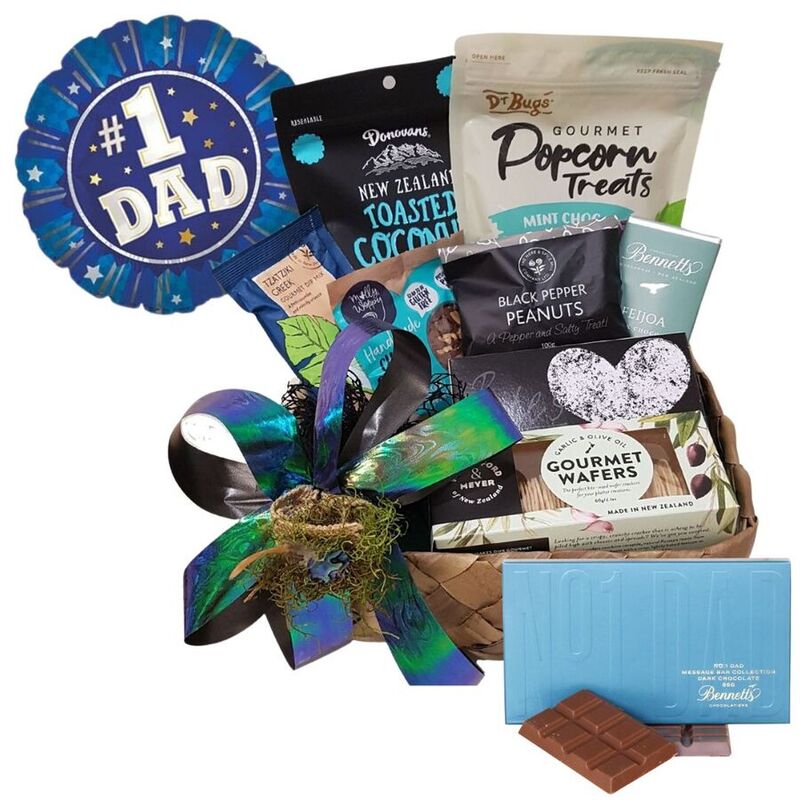
In the complex world of business development and client retention, every touchpoint matters. We pour time, effort, and resources into building relationships with clients—relationships that are invaluable assets. Yet, sometimes, our attempts at showing appreciation backfire spectacularly. The worst offender? The generic corporate gift basket filled with matching pens and slightly bruised gourmet popcorn. These gifts, while well-intentioned, often feel like a corporate reflex rather than a genuine gesture of esteem. They fall into the dreaded category of "meh."
The goal isn't just to give a gift; it’s to send a message. The question is: what message are you sending when you buy an item off a bulk order list? By understanding the psychological impact of poorly chosen gifts and implementing thoughtful strategies, you can transform mere tokens into memorable experiences. This guide will explore effective methods for how to avoid generic corporate client gifts and instead select items that genuinely resonate with your clients, building deeper loyalty one personalized box at a time.
The Pitfalls of Predictability: Why Generic Gifts Fail
Before we dive into solutions, it is crucial to understand the problem. A generic gift signals predictability and lack of effort. It suggests you didn't take the time to consider who the recipient was or what they actually care about. When a client receives an uninspired item, their internal thought process might be: "Oh, another one of those."
The Psychology of Thoughtfulness vs. Transactional Giving
Client relationships thrive on perceived value—and this value is often tied directly to emotional connection, not monetary cost. A generic gift is inherently transactional; it’s a payment for service or opportunity. A thoughtful gift, conversely, feels personal and reflective. It says, "I see you."
- Lack of Memory: Generic items are forgettable. They become another indistinguishable item in a pile.
- Emotional Disconnect: If the gift doesn't relate to their life, interests, or industry, it feels hollow.
- The Impression of Mass Production: When everything looks identical, nothing stands out.
Consider this analogy: giving a generic gift is like sending a postcard printed with an uninspiring landscape—it’s nice enough, but utterly forgettable. A thoughtful gift is more like catching them in the middle of their day doing something they love; it makes them pause and smile.
Hyper-Personalization Strategies for Impactful Gifting
The antidote to generic gifting lies in hyper-personalization. This doesn't mean custom engraving every item (though that can be fun!); it means tailoring the concept and the content of the gift to the individual Whisky Gifts client or their company culture. The key is research, observation, and empathy.
Researching Their Interests Beyond Their Job Title
A common mistake is assuming a client's interests are solely tied to their professional life. A CFO might spend all day talking about spreadsheets, but they likely enjoy spending weekends hiking, cooking, or reading history books. Your gift should pay homage to the person, not just the profession.
To get started, become an observational detective:
- What do they mention in casual conversation? (Travel, hobbies, favorite local spots?)
- Do you notice any items on their desk or visible during video calls? (A specific book, a plant, etc.)
- If you know the company culture is focused on sustainability, leaning into eco-friendly gifts shows alignment.
Aligning Gifts with Industry and Values
When struggling with how to avoid generic corporate client gifts, think about your industry's core values. If you are in renewable energy, gifting something related to sustainable design or local ecology makes perfect sense. If you work with creative agencies, a curated box of art supplies is far superior to a branded journal.
A useful quote summarizes this principle: "The best marketing message is a Food Lover genuine compliment." A thoughtful gift acts as that compliment.
Elevating the Experience: Beyond Material Items
Sometimes, the most valuable gifts aren't physical objects at all. They are experiences, moments of joy, or highly curated services. Focusing on experiential gifting completely sidesteps the pitfalls of generic items because you are giving time and attention, which are universally valued currencies.
Curated Local Experiences
Instead of a branded pen set, consider gift certificates for local establishments near your client's office—a premium coffee shop experience, tickets to a local museum exhibit, or a voucher for a unique cooking class. This shows you value their connection to their community, not just the revenue they generate for you.
The Power of Shared Knowledge and Time
Another brilliant approach is pairing a gift with an invitation to shared knowledge. For example:
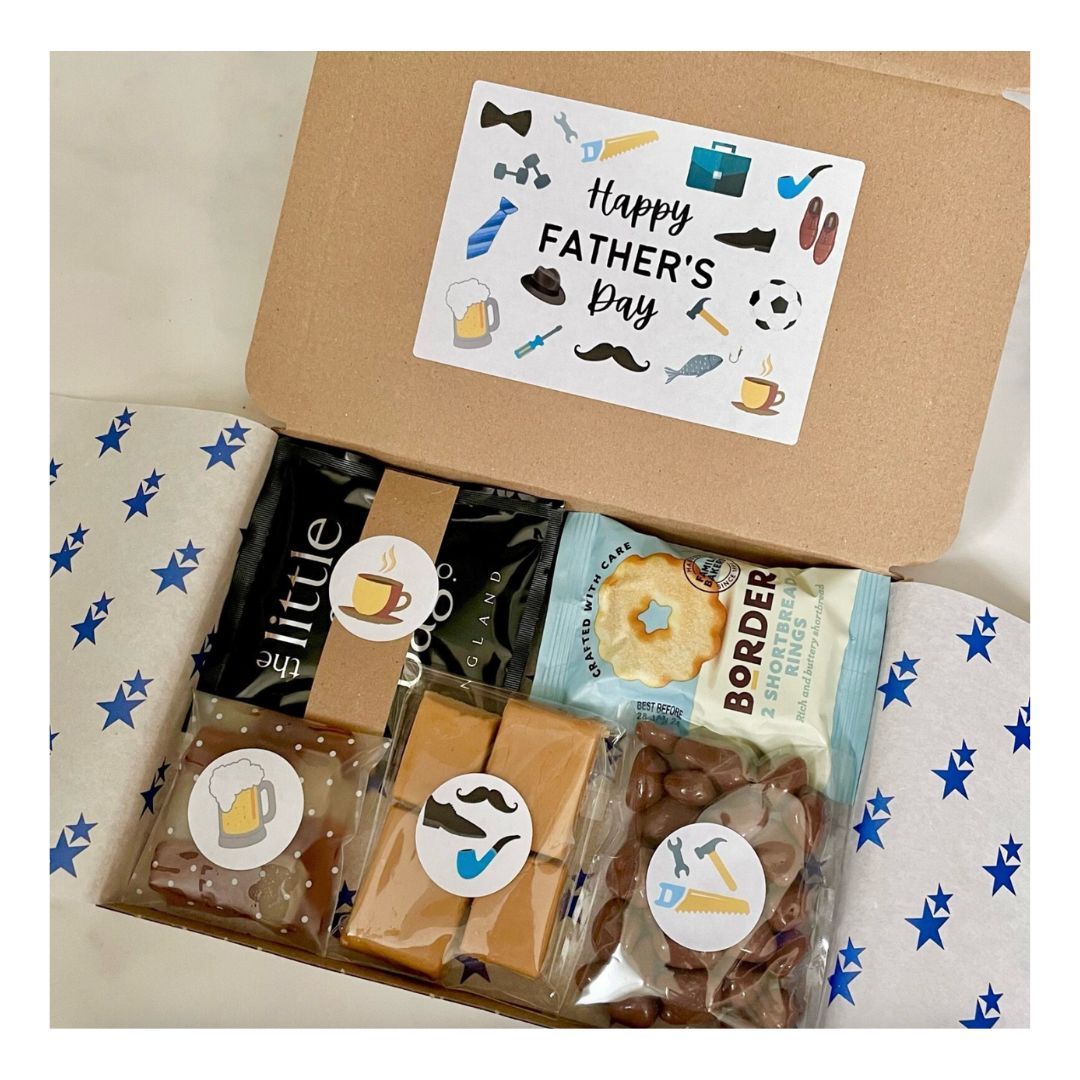
- A subscription box focused on rare literary genres (if they are readers).
- Access to a niche online seminar or workshop relevant to their emerging interests.
- An introduction to another vetted professional in their network (with permission, of course!).
This type of gift makes the relationship feel collaborative and forward-thinking. Do you want your gifts simply to be nice, or do you want them to be conversation starters? Why settle for less?
Making Your Selection Count: The Art of Thoughtful Curation
When it comes down to execution, remember that genuine thoughtfulness is more important than the gift's perceived value. By taking these steps—researching their passions, aligning with their values, and focusing on unique experiences—you can fundamentally change your gifting game. You have successfully learned how to avoid generic corporate client gifts by replacing standardized purchasing with personalized curation.
Ultimately, a good gift is not merely an expense; it is an investment in the emotional capital of your relationship. It’s the tangible proof that you see them as an individual, not just a line item on a quarterly report. By making your next gifting move intentional, meaningful, and deeply researched, you will transform those "meh" moments into genuine connections that build enduring partnerships.